
Welcome To Our Website
Why Every Parent Needs a Safe Space for Their Kids | dunder free spins no deposit, raja 999 slot
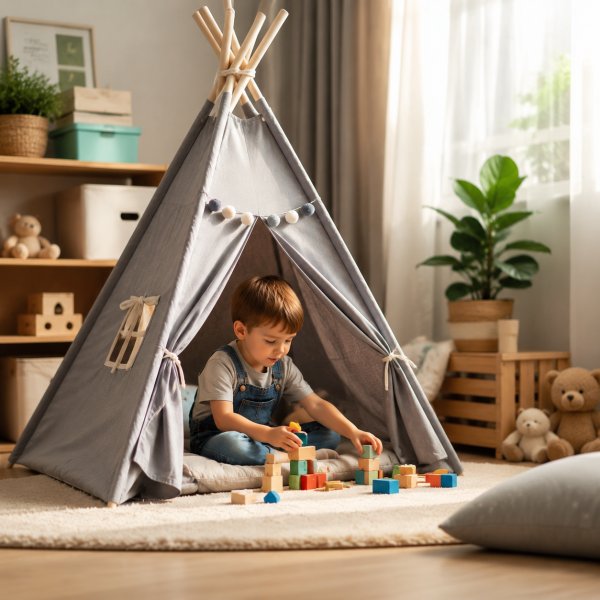
Creating Safe Spaces: Essential Tips for Every Parent
As we navigate through the unique challenges of modern parenting, one thing remains indisputable: ensuring a secure environment for our children is paramount. Parents instinctively strive to provide comfort, safety, and support for their young ones. This need for a nurturing space is not just about physical safety; it also encompasses emotional and psychological well-being. In today's fast-paced world, where children are often exposed to numerous external influences, the need for a controlled and loving environment has never been more critical.
Understanding the Importance of Safe Spaces
Safe spaces for children are vital in promoting their overall growth and development. These designated areas allow kids to explore, learn, and express themselves without fear or anxiety. Here’s why creating such environments matters right now:
- Emotional Security: Children thrive when they feel safe. A secure environment fosters their emotional growth.
- Encouraged Exploration: When children know they are in a safe space, they are more likely to explore new ideas and activities.
- Building Confidence: Safe spaces help build self-esteem by allowing children to engage in play and social interactions.
- Positive Relationships: These environments facilitate positive interactions between peers and adults, aiding social development.
Key Features of a Safe Space for Children
Establishing a safe space requires careful consideration and organization. Here are essential features to include:
1. Physical Safety
- Soft surfaces for play areas to prevent injuries.
- Child-proof locks on cabinets and doors to keep hazardous items out of reach.
- Secure furniture that won't tip over easily.
2. Emotional Support
- Comfortable seating areas for relaxation and quiet time.
- Accessible toys and materials that encourage creativity.
- Positive reinforcement through praise and encouragement.
3. Open Communication
- Encouraging children to express their feelings freely.
- Utilizing visual aids to help children understand emotions.
- Regularly checking in with children to ensure their needs are met.
How to Create Safe Spaces at Home
Creating safe spaces doesn't require significant resources, just a commitment to making your home a nurturing environment. Here are practical strategies:
1. Designate Safe Zones
Identify specific areas in your home as 'safe zones' where kids can play freely. These zones should be equipped with toys, art supplies, or books.
2. Foster Routine
Establishing daily routines helps children feel more secure. Consistent meal times and play schedules contribute to a structured environment.
3. Engage in Play
Participate with your children in playtime activities. Not only does this enrich their experience, but it also strengthens the bond between parent and child.
Benefits of Prioritizing Safe Spaces
Investing time and effort into creating safe spaces yields numerous benefits for both parents and children:
- Promotes Healthy Development: Children develop both mentally and physically in a safe environment, preparing them for future challenges.
- Encourages Lifelong Skills: Safe spaces teach children critical life skills like problem-solving and cooperation.
- Reduces Anxiety and Stress: Knowing they have a safe haven allows children to relax and be themselves.
Use Cases for Safe Spaces
Safe spaces can be integrated into various aspects of life, including:
Preschools and Daycares
Implementing safe spaces in educational settings ensures children can explore and learn without fear while promoting socialization.
Community Centers
Community spaces that encourage safe play help foster relationships among children and their families, creating a supportive community.
At Home
A designated play area in the home can serve as a refuge for children to unwind after a busy day, enhancing their emotional well-being.
Conclusion
As we continue to understand the significance of providing secure environments for our children, it's essential to prioritize creating safe spaces at home and in the community. By investing in these nurturing environments, we're not only supporting their current well-being but also setting the stage for a successful and confident future. Remember, every little effort counts when it comes to ensuring our children feel safe and loved.
Product recommendation
-

Stylish Caps for Kids: Perfect for Play
-
Unlock Incredible Savings on the Latest
-
Discover Engaging Play Experiences with
-
Unlocking the Future of Play: Innovative
-
Explore the Future of Play: Innovative C
-
Explore the Latest Trendy Toys for Kids
-
Revolutionary Safety: Introducing the 20
-
Empower Creativity with Engaging Childre
-
The Essential Guide to Engaging Kids wit
-
Discover the Exciting Features of the Ga
WHY CHOOSE US
The company checks the product quality from the source, and the production process of beauty products can be inspected before leaving the factory The company has a sound after-sales service system, 24-hour online customer service at any time to respond, so that you worry about after-sales!