
Welcome To Our Website
Tennis Star Vondrousova's Controversial Decision Raises Doping Test Questions | gbo338 slot, slot tergacor anti rungkad
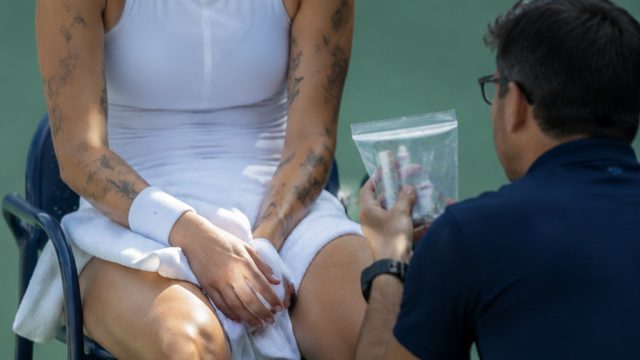
Tennis Star Vondrousova's Controversial Decision Raises Doping Test Questions
In a recent incident that has sent shockwaves through the sports community, rising tennis star Marketa Vondrousova made headlines not just for her athletic prowess but for a significant decision she made regarding a doping test. As the dialogue around athlete integrity continues to evolve, her choice to refuse a test is raising important questions about the responsibilities that come with being a professional athlete.
The Incident Explained
On a seemingly ordinary day, Vondrousova stepped out to take her dog for a walk, only to encounter a doping control officer waiting for her. According to ITIA's senior director, the officer approached her for a routine drug test, which Vondrousova ultimately declined. This situation unfolded as she reportedly signed a refusal form, signaling her unwillingness to participate in the test.
Understanding Doping Regulations
Doping regulations are established to maintain fair play in sports, ensuring that all athletes compete on an equal footing. The World Anti-Doping Agency (WADA) outlines strict guidelines for drug testing, which are mandatory for all professional athletes. Refusing a test can have serious consequences, including suspension and tarnishing an athlete's reputation.
- Consequences of Refusal: Potential penalties can range from fines to lengthy suspensions.
- Impact on Reputation: An athlete's integrity can be called into question, affecting their standing in the sport.
- Legal Implications: There may be legal repercussions depending on the athlete's contract and governing body regulations.
Why This Matters Right Now
With the landscape of professional sports continually evolving, the implications of Vondrousova's decision to refuse a doping test come at a crucial junction. As we see more cases of doping scandals, the pressure on athletes to uphold ethical standards becomes increasingly significant. Fans, sponsors, and governing bodies are all watching closely to see how this situation unfolds and what it means for the integrity of tennis.
Public Perception and Its Consequences
The reaction from the public and media has been swift, with debates igniting about the responsibilities athletes carry. Social media platforms are flooded with opinions, ranging from support for Vondrousova's personal choice to criticism about the potential implications for her career. Understanding how public perception can sway athlete careers is critical.
- Support vs. Criticism: Responses vary widely, reflecting the passion and investment fans have in their favorite athletes.
- Media Impact: Coverage can influence future sponsorship deals and public appearances.
- Long-term Effects: The decision may affect her future opportunities in a sport that values integrity.
Looking Ahead: The Future of Athlete Accountability
As the situation develops, it will be essential for governing bodies within tennis to provide clarity on the rules and the implications of refusing a doping test. Transparency and accountability are paramount in maintaining the sport's integrity. Vondrousova's case may serve as a pivotal point leading to revised guidelines and better communication regarding athlete responsibilities.
Potential Changes in Regulations
In light of this incident, one can expect discussions surrounding athlete accountability to grow louder. Governing bodies might consider:
- Revising Testing Procedures: Implementing clearer guidelines for athletes on what to expect during testing.
- Educational Programs: Offering sessions on the importance of doping compliance for athletes at all levels.
- Support Systems: Establishing resources for athletes to seek guidance on doping policies and their rights.
Conclusion
Marketa Vondrousova's refusal to undergo a doping test has sparked a vital conversation about athlete integrity and the implications of their choices. As sports fans, we need to remain engaged and informed about these matters, as they impact not only the athletes involved but the entire sporting community. It is crucial for all stakeholders to uphold the values of fairness and integrity, thereby ensuring the future of sports remains bright and honorable.
 Unlocking Global Play: How Alm
Sourcing High-Quality Children
Innovative Trends in the Globa
Unlocking the Global Market: A
Unlocking Global Play: How Alm
Sourcing High-Quality Children
Innovative Trends in the Globa
Unlocking the Global Market: A
WHY CHOOSE US
The company checks the product quality from the source, and the production process of beauty products can be inspected before leaving the factory The company has a sound after-sales service system, 24-hour online customer service at any time to respond, so that you worry about after-sales!