
Welcome To Our Website
Understanding the Urgent Impact of the DRC Ebola Outbreak | ovo88 login alternatif, bermain kartu remi, star 77 slot online
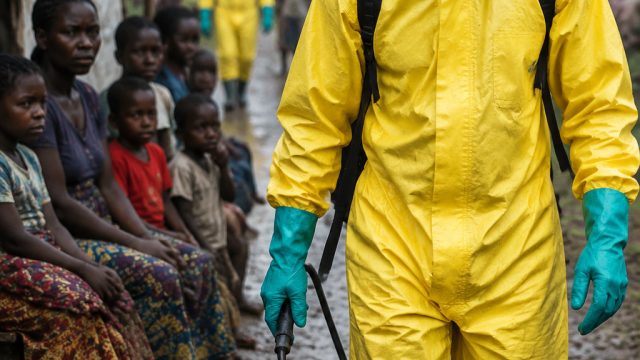
The Democratic Republic of Congo (DRC) is grappling with a significant Ebola outbreak, marking a critical moment in public health as the country faces its highest first-month total ever recorded for this deadly virus. As of now, the outbreak has surpassed 1,000 confirmed cases, prompting immediate calls for action from health organizations around the world. This situation not only raises concerns for local communities but also highlights the broader implications for global health security.
Why This Outbreak Matters Now
The surge in Ebola cases in DRC signals a potential health crisis that could affect millions. According to the World Health Organization (WHO), this outbreak has exceeded previous records, with over 254 fatalities reported so far. The rapid transmission of the virus amid ongoing violence and displacement in the region presents unique challenges for healthcare workers and government officials.
Impact on Children and Communities
One of the most pressing concerns is the risk posed to children. UNICEF has recently warned that millions of children are at risk due to the outbreak's implications on healthcare access and the socio-economic conditions exacerbated by the virus. Ensuring that children receive necessary vaccinations and health services during this crisis is crucial.
- Increased risk of malnutrition due to disrupted food supply chains.
- Challenges in accessing routine vaccinations and healthcare.
- Psychosocial impacts on children witnessing the effects of the outbreak.
Health Response and Vaccination Efforts
The global health community is mobilizing resources to contain the outbreak. Vaccination campaigns are being ramped up, with the aim of immunizing at-risk populations as quickly as possible. However, logistical challenges, including violent conflicts in some areas, hinder the delivery of these vital health services.
How the International Community Can Help
Support from international organizations and countries is crucial. Here are key actions that can be taken to help combat the outbreak:
- Funding for emergency health interventions and vaccination drives.
- Deployment of healthcare personnel to assist in vaccination and treatment efforts.
- Strengthening healthcare infrastructure to withstand future outbreaks.
The Role of Awareness and Education
Increasing public awareness about Ebola and its transmission can significantly impact community health. Education campaigns led by health organizations can empower individuals with knowledge on prevention methods, thus reducing the spread of the virus.
Key Messages for Communities
Here are essential messages that need to be communicated in affected areas:
- Recognizing the symptoms of Ebola and seeking medical help early.
- Understanding the importance of vaccination and health checks.
- Promoting hygiene practices to prevent the spread of the virus.
Conclusion: A Call to Action
The current Ebola outbreak in the DRC serves as a potent reminder of the fragility of public health systems and the interconnectedness of global health security. As the situation develops, it is imperative for individuals, organizations, and governments to work together to mitigate the crisis. By supporting local health measures and ensuring that vulnerable populations, particularly children, receive the care they need, we can help turn the tide against this deadly virus. The time to act is now.
 The Rise of Eco-Friendly Toys:
Navigating Wholesale Toy Expor
Exploring the Global Market: A
Eco-Friendly Toys: Exporting S
The Rise of Eco-Friendly Toys:
Navigating Wholesale Toy Expor
Exploring the Global Market: A
Eco-Friendly Toys: Exporting S
WHY CHOOSE US
The company checks the product quality from the source, and the production process of beauty products can be inspected before leaving the factory The company has a sound after-sales service system, 24-hour online customer service at any time to respond, so that you worry about after-sales!