
Welcome To Our Website
Understanding the Surge in Gas Flaring: Implications for Sustainability | jam tangan tanpa jarum detik, mpo338, batik77 rtp
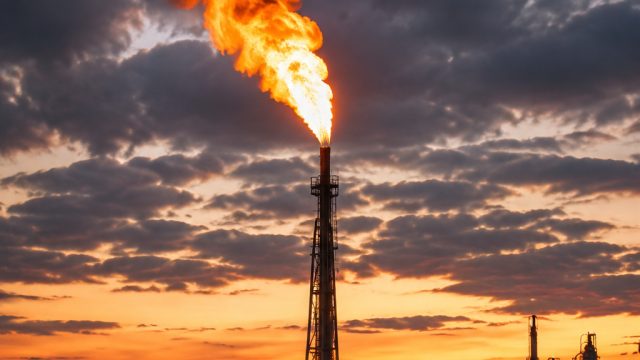
In recent years, the global energy landscape has faced numerous challenges, with gas flaring emerging as a critical concern. According to a recent report from the World Bank, gas flaring has increased for the third consecutive year, raising alarms about its environmental and economic implications. This trend highlights significant issues regarding energy usage and sustainability, especially for industries dependent on fossil fuels.
What is Gas Flaring and Why is it Increasing?
Gas flaring is the burning of natural gas that is associated with the extraction of oil. This practice is often used when there is no infrastructure to capture and utilize the gas. The World Bank's report underscores that gas flaring has reached alarming levels, with an increase attributed to several factors:
- Increased Oil Production: As countries ramp up oil extraction to meet global energy demands, the byproduct of natural gas is often flared.
- Lack of Infrastructure: In many regions, especially developing countries, the necessary infrastructure to capture and utilize gas is lacking.
- Regulatory Challenges: Inconsistent regulations and enforcement lead to continued flaring practices.
The Environmental Impact of Gas Flaring
The environmental ramifications of increased gas flaring are profound. It contributes to greenhouse gas emissions, which exacerbate climate change. Additionally, the toxic pollutants released can harm local ecosystems and communities. The report illustrates that:
- Gas flaring releases significant amounts of carbon dioxide (CO2) and methane (CH4).
- Communities near flaring sites often face health risks from air quality deterioration.
- Long-term environmental degradation could affect biodiversity and local agriculture.
Economic Consequences for the Energy Sector
The rise in gas flaring not only poses environmental risks but also represents a wasted economic opportunity. Capturing and utilizing the gas could provide substantial financial returns. The World Bank's findings suggest that:
- Flared gas represents a loss of potential energy resources that could be harnessed.
- Utilization of this gas could generate revenue through energy sales, benefiting local economies.
- Reducing flaring could enhance a company's sustainability profile, appealing to environmentally conscious investors.
Strategies for Mitigating Gas Flaring
Addressing the issue of gas flaring requires a multifaceted approach. Here are some strategies that energy companies and governments can consider:
- Implementing Capturing Technologies: Investing in technology that captures gas for usage instead of flaring.
- Strengthening Regulations: Governments should enforce stricter regulations that discourage flaring.
- Promoting Alternative Energy Solutions: Encouraging the development of renewable energy solutions that can reduce reliance on fossil fuels.
The Role of Businesses in Flaring Reduction
Businesses, especially those in the energy sector, have a crucial role in addressing gas flaring. By adopting sustainable practices, they can lead the way toward a greener future. Consider the following actions:
- Investing in Research and Development: Companies should invest in R&D for better technologies that minimize flaring.
- Engaging in Corporate Social Responsibility: Firms can enhance their reputation by committing to environmentally friendly practices.
- Collaborating with Stakeholders: Working with governments, NGOs, and communities can facilitate the implementation of sustainable practices.
Conclusion: The Time for Action is Now
The continued rise in gas flaring poses significant challenges for both the environment and the economy. However, by understanding the underlying causes and adopting proactive solutions, businesses can mitigate these impacts. The insights from the World Bank serve as a clarion call for the industry to take decisive action now, ensuring a sustainable energy future for generations to come.
 Navigating Global Toy Trade: I
B2B Toy Wholesale: The Key to
Exploring the Future of Toy Ex
Understanding the Global Suppl
Navigating Global Toy Trade: I
B2B Toy Wholesale: The Key to
Exploring the Future of Toy Ex
Understanding the Global Suppl
WHY CHOOSE US
The company checks the product quality from the source, and the production process of beauty products can be inspected before leaving the factory The company has a sound after-sales service system, 24-hour online customer service at any time to respond, so that you worry about after-sales!