
Welcome To Our Website
Uncovering History: WWII Assault Gun Discovery Sparks Interest | gbo 40 slot, getol88, kartu gol slot
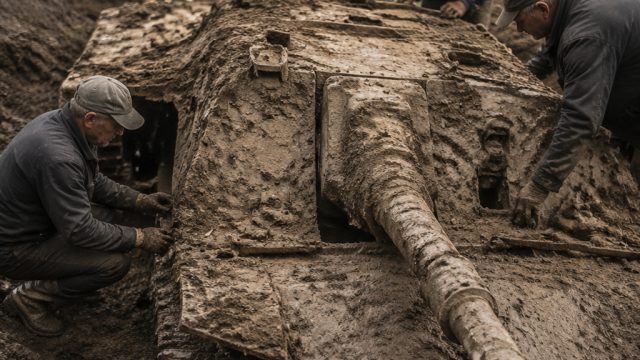
In a remarkable turn of events, construction workers at the Nordholz naval air base located on the scenic North Sea coast stumbled upon an extraordinary artifact from World War II: a nearly intact 29-ton StuG III assault gun. Buried for eight decades, this discovery not only illuminates aspects of military history but also raises significant questions about the preservation of artifacts from this tumultuous period.
A Surprising Find Amid Construction
While conducting routine construction activities, workers were startled to uncover the StuG III, an armored vehicle designed for direct-fire support in warfare. This unearthing is particularly significant given the historical context—many such military assets were hastily abandoned or buried during and after the war. The preservation state of this assault gun has experts buzzing with excitement, as it offers a glimpse into the technological advances and strategic thinking of the era.
What is the StuG III?
The StuG III, or Sturmgeschütz III, was a pivotal component of Germany's armored forces during World War II. Initially deployed in 1940, this assault gun was primarily used in the role of tank destroyer, though it later adapted for infantry support. Featuring a low profile and powerful gun, it became one of the most produced armored vehicles of the war.
Importance of the Discovery
- Historical Insight: Discovering an artifact like the StuG III provides invaluable insights into military strategies.
- Preservation of History: Each object recovered is a piece of the puzzle that helps historians piece together the past.
- Public Engagement: Such finds can encourage interest in military history and prompt discussions about lessons from the past.
Why Now? The Growing Interest in WWII Artifacts
The recent discovery of the StuG III is particularly timely—there is a growing wave of interest in WWII artifacts, sparked by various media portrayals and documentaries that highlight stories from the battlefield. As society reflects on the conflicts of the 20th century, the narratives surrounding these artifacts become increasingly important.
The Role of Technology in Historical Preservation
Modern archaeology employs advanced technologies like ground-penetrating radar, which can detect buried objects without disturbing the site. The use of such techniques allows researchers to better understand historical contexts and make informed decisions about excavation and preservation. In this case, an excavation plan will likely be developed to ensure that this significant piece of history is carefully documented and preserved for future generations.
Community Response and Future Implications
The local community has responded enthusiastically to the news of the find. Many residents and history enthusiasts are eager to learn more about the StuG III and its implications for their region’s wartime history. Discussions are beginning about potentially establishing a local exhibit showcasing the vehicle, alongside other artifacts discovered in the area.
Educational Opportunities
Local schools and universities could benefit from this discovery, using it as a tangible resource for teaching about WWII and military history. Engaging students with artifacts can foster a deeper understanding and appreciation for historical events.
The Broader Impact on Historical Research
Unearthing a significant military artifact like the StuG III provides opportunities for historians and researchers to explore broader themes such as:
- The evolution of military technology throughout the war.
- How warfare impacted civilian life during and after WWII.
- The strategies employed by military leaders and their consequences.
Conclusion: A Monument to the Past
The discovery of the WWII StuG III assault gun at the Nordholz naval air base is more than just a construction site find; it serves as a potent reminder of the past and the many stories waiting to be uncovered. As we stand at the brink of new historical explorations, the importance of preserving such artifacts cannot be overstated. This event not only enriches our understanding of military history but also ensures that the lessons learned from this critical period are passed down to future generations. With continued interest in historical artifacts, we can anticipate more discoveries that will further illuminate our shared past.
 Understanding Consumer Trends
The Role of Quality Control in
The Future of Toy Innovation:
Maximizing Profitability in th
Understanding Consumer Trends
The Role of Quality Control in
The Future of Toy Innovation:
Maximizing Profitability in th
WHY CHOOSE US
The company checks the product quality from the source, and the production process of beauty products can be inspected before leaving the factory The company has a sound after-sales service system, 24-hour online customer service at any time to respond, so that you worry about after-sales!