
Welcome To Our Website
Impact of Diesel Export Restrictions on Global Markets and Recent Events | other side of the box full movie, link alternatif 888garuda
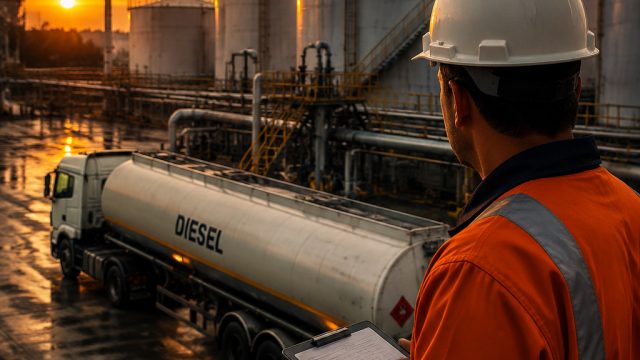
Impact of Diesel Export Restrictions on Global Markets and Recent Events
As the geopolitical landscape continues to evolve, recent announcements from Russia regarding potential restrictions on diesel exports are raising significant concerns in the global fuel market. With the ongoing conflict in Ukraine presenting ongoing challenges for the region, understanding the ramifications of these decisions has never been more crucial for businesses and consumers alike.
Current Context: Diesel Export Ban Considerations
The Russian government is considering a ban on diesel exports as a response to disruptions caused by aerial strikes and ongoing military operations in Ukraine. Recent drone attacks targeting key refineries have not only hampered production capabilities but have also triggered a domino effect on fuel supplies across the region. This situation has the potential to send shockwaves through global fuel markets, especially given the interconnected nature of energy dependencies.
Fuel Shortages and Economic Impact
- Potential rise in diesel prices globally.
- Increased competitiveness among nations pursuing alternative suppliers.
- Impact on logistics and transportation costs.
With the prospect of fuel shortages looming, economies that rely heavily on Russian diesel may face significant challenges. Countries in Europe and Asia, where fuel prices are already under pressure, could see a further spike in costs, leading to increased inflation rates. This could result in a tightening of budgets for both consumers and businesses, impacting consumer spending and economic growth.
Broader Implications for Fuel Markets
As diesel supplies dwindle, market dynamics will inevitably shift. Countries traditionally reliant on Russian fuel may need to explore alternative sources. This urgency for diversification could lead to:
Strategic Partnerships and Supply Chain Adjustments
Countries may seek new partnerships to secure alternative fuel sources:
- Increased demand for Middle Eastern oil.
- Potential expansion of American oil exports.
- Investments in renewable energy sources as alternatives.
This restructuring could create opportunities for energy-exporting nations, shaping a new landscape of energy trade. The urgency to find substitutes may accelerate investments in clean energy technologies, potentially reshaping the global energy economy in the long term.
Regional Responses: How Countries Are Adapting
With the potential for a diesel export ban looming, countries across Europe and Asia are bracing for impact. Many are implementing contingency plans to mitigate the fallout:
Government Interventions and Consumer Strategies
- Subsidizing fuel prices to protect consumers.
- Encouraging public transportation to reduce diesel consumption.
- Initiating negotiations for alternative fuel supply agreements.
Moreover, the public's awareness of energy consumption trends may encourage shifts towards more sustainable practices, with an emphasis on reducing reliance on fossil fuels. This cultural shift could align with broader environmental goals, fostering a more resilient energy future.
Conclusion: Preparing for a Shifting Energy Landscape
As we navigate this complex geopolitical scenario, the implications of Russia's potential diesel export restrictions extend far beyond immediate fuel availability. The ripple effects could reshape energy markets, alter trade relationships, and influence economic policies worldwide. For businesses, staying informed and adaptable will be crucial in mitigating risks associated with these changes. Consumers must also be aware of evolving market conditions as they prepare for potential price increases and shifts in availability.
In this rapidly changing environment, proactive measures and innovative solutions will be essential for both companies and consumers as they respond to a new era of energy dynamics.
 How Almerao.com is Revolutioni
The Future of Toy Exports: Ins
Unleashing the Magic: Exportin
Top Trends in B2B Toy Exports:
How Almerao.com is Revolutioni
The Future of Toy Exports: Ins
Unleashing the Magic: Exportin
Top Trends in B2B Toy Exports:
WHY CHOOSE US
The company checks the product quality from the source, and the production process of beauty products can be inspected before leaving the factory The company has a sound after-sales service system, 24-hour online customer service at any time to respond, so that you worry about after-sales!