
Welcome To Our Website
Fuel Supply Crisis Deepens in Russia Amid Ongoing Conflict | gacor emas168, fortune coin slot
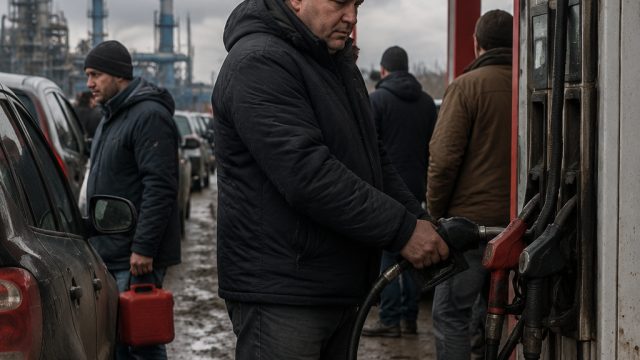
As the conflict between Russia and Ukraine escalates, a critical fuel supply crisis is emerging, affecting not only the local population but also businesses reliant on consistent energy sources. With recent attacks on key refineries, the situation is growing increasingly dire, necessitating urgent attention and adaptive strategies from industries affected by these interruptions.
The Current State of Fuel Supplies in Russia
Following a series of drone strikes targeting Russian refineries, the nation's capacity to produce gasoline and diesel has been severely compromised. Reports indicate that the disruptions are leading to widespread shortages, particularly in urban areas, where the impacts are felt most acutely. As local governments start to impose restrictions on fuel usage, industries are bracing for the potential fallout.
Immediate Effects on Transportation and Logistics
- Increased fuel prices affecting delivery costs.
- Delayed shipments as companies struggle to secure fuel supplies.
- Rising operational costs forcing businesses to reconsider logistics strategies.
The transportation sector is already experiencing notable disruptions, with fuel shortages leading to elevated prices. Companies relying on logistics are urged to develop contingency plans to mitigate the risks associated with fluctuating fuel availability.
Government Response to Rising Fuel Concerns
In response to the crisis, Russian authorities are contemplating drastic measures, including a potential ban on diesel exports. This move could be an attempt to stabilize domestic supply but may have far-reaching implications for international markets. Additionally, the government has started exploring emergency fuel imports to address the immediate needs of the populace.
Implications for International Trade
The proposed diesel export ban could disrupt global fuel supplies, particularly for countries heavily reliant on Russian oil. Experts warn that this situation could strain international trade relationships and result in further volatility in energy markets. Companies engaged in cross-border trade must stay informed about fluctuations in fuel availability and pricing.
What Businesses Should Consider Moving Forward
With the current fuel crisis in Russia, businesses should evaluate their supply chains and energy needs to adapt to the changing landscape. Here are some strategic considerations:
- Diversify Suppliers: Seek alternative fuel suppliers to reduce dependence on any single source.
- Invest in Renewable Energy: Explore renewable energy options as a long-term solution to mitigate reliance on traditional fuels.
- Enhance Efficiency: Optimize logistics strategies to minimize fuel consumption and costs.
Implementing these strategies can help businesses navigate the current crisis and position themselves for long-term sustainability in a volatile market.
Conclusion: Staying Prepared Amid Uncertainty
As the situation in Russia continues to evolve, the implications of the fuel supply crisis are becoming increasingly apparent. Businesses must remain vigilant and proactive in their approach to energy management. By staying informed and adapting to new realities, companies can better position themselves to weather the storm and emerge stronger in the face of adversity. The time to act is now—ensuring that your operations are resilient against ongoing disruptions will prove crucial for success in today's challenging environment.
 The Rise of Eco-Friendly Toys:
Navigating Wholesale Toy Expor
Exploring the Global Market: A
Eco-Friendly Toys: Exporting S
The Rise of Eco-Friendly Toys:
Navigating Wholesale Toy Expor
Exploring the Global Market: A
Eco-Friendly Toys: Exporting S
WHY CHOOSE US
The company checks the product quality from the source, and the production process of beauty products can be inspected before leaving the factory The company has a sound after-sales service system, 24-hour online customer service at any time to respond, so that you worry about after-sales!