
Welcome To Our Website
Florida's New Funding Initiative for Catholic Schools: What You Need to Know | bf broswer, uno4d slot, pajero toto togel
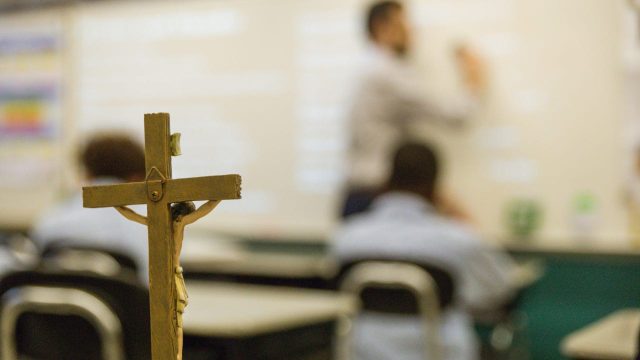
Florida's New Funding Initiative for Catholic Schools: What You Need to Know
In an unexpected turn of events, Florida's recent budget allocation of $15 million toward 68 Catholic schools has sparked significant discussion among educators, policymakers, and the public. This funding initiative comes amidst a larger context of educational reform and budgetary adjustments, prompting a closer examination of the implications for both the schools and the wider educational landscape.
Understanding the Funding Allocation
The allocation, officially approved as part of the Florida state budget, aims to bolster resources in Catholic educational institutions. This funding is designed to enhance facilities, improve educational programs, and ensure that these schools can operate without relying solely on traditional church resources. By empowering Catholic schools through public funding, the state is signaling a growing recognition of the role that these institutions play in the broader educational framework.
The Implications for Educational Equality
This financial support raises questions regarding the principles of educational equality. Critics argue that taxpayer money should primarily support public schools, ensuring that all children, regardless of their background or beliefs, have access to equitable education opportunities. Proponents, however, contend that such funding supports parental choice, allowing families to select educational environments that align with their values and beliefs.
Public Response and Community Reactions
The public reaction to this funding has varied greatly. Many parents with children in Catholic schools celebrate this initiative as a means of ensuring that their educational institutions receive necessary support. Conversely, advocates for public education express concern that using taxpayer funds for religious schools could pave the way for further financial divides within the educational system.
- Supporters argue it enhances parental choice.
- Opponents fear it diverts funds from public schools.
- Community members are divided on the issue.
The Bigger Picture: Trends in Educational Funding
Florida's decision to allocate significant funding to private religious schools reflects a growing trend across the United States, where educational funding is increasingly shaped by parental choice and advocacy for school vouchers. This trend has witnessed both support and backlash, highlighting the ongoing debate about public versus private education funding.
Comparative Analysis with Other States
States like Arizona and Indiana have implemented similar programs, which provide vouchers or tax credits for families choosing private education for their children. These initiatives often aim to reduce the financial burden on families and encourage diverse educational opportunities. However, the controversy surrounding such programs has resulted in legal challenges and calls for reform.
Looking Ahead: Potential Consequences
As Florida moves forward with this funding initiative, the long-term consequences remain uncertain. Will this set a precedent for further financial support of religious institutions? Will it impact the public school system negatively? These are questions that educators and policymakers will need to address in the coming months.
Key Considerations
- The potential for increased enrollment in Catholic schools.
- Impact on public school funding and resources.
- Community reception and long-term sustainability.
Conclusion: Navigating the Future of Education Funding
Florida's $15 million allocation to Catholic schools is more than just a budgetary decision; it represents a shift in educational funding philosophy that could have far-reaching implications. As stakeholders navigate the challenges and opportunities presented by this initiative, one thing is clear: the conversation around education, funding, and equality will continue to evolve. It is crucial for educators, parents, and policymakers to engage in thoughtful dialogue to ensure that all children, regardless of their educational path, receive the resources they need to succeed.
 Understanding Consumer Demand:
Maximizing Profit Margins in T
Building Strong Relationships
The Role of Technology in B2B
Understanding Consumer Demand:
Maximizing Profit Margins in T
Building Strong Relationships
The Role of Technology in B2B
WHY CHOOSE US
The company checks the product quality from the source, and the production process of beauty products can be inspected before leaving the factory The company has a sound after-sales service system, 24-hour online customer service at any time to respond, so that you worry about after-sales!