
Welcome To Our Website
The Remarkable Role of Beavers in Environmental Conservation | game slot37 login, supermpo slot
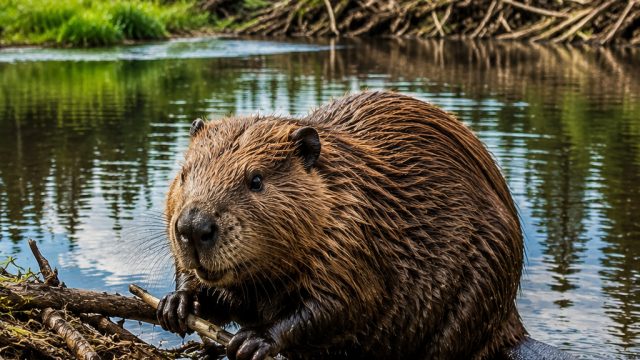
In the midst of today's environmental challenges, we often overlook the natural heroes that have shaped our ecosystems. One such hero is the beaver, whose contributions to environmental conservation have become increasingly relevant in light of current ecological issues. This year marks the 80th anniversary of an extraordinary event that highlights how these furry engineers have influenced the American wilderness and why their role continues to matter today.
A Brief History of Beaver Conservation
Beavers have long been recognized for their ability to transform landscapes. Their natural instinct to build dams plays a crucial role in creating wetlands, which serve as habitats for diverse species. However, their importance gained newfound attention in the 1940s when a unique conservation effort took shape.
The Great Beaver Parachute Project
In 1948, as part of an innovative wildlife restoration initiative, beavers were dropped from planes into remote areas of the Rocky Mountains. This remarkable project aimed to reintroduce beavers to regions where they had been extirpated, thereby restoring the ecological balance. The idea was as audacious as it was effective; the beavers quickly adapted, creating vibrant wetland ecosystems that benefited countless species.
The Ecosystem Engineers
Beavers are often referred to as 'ecosystem engineers' due to their profound impact on the environment. The dams they construct not only provide shelter and food for themselves but also create a cascade of ecological benefits:
- **Water Management:** Beavers help regulate water flow, preventing floods and maintaining stream health.
- **Biodiversity Enhancement:** Their ponds support a rich variety of flora and fauna, promoting biodiversity.
- **Carbon Sequestration:** Wetlands created by beaver activity act as carbon sinks, helping mitigate climate change.
Current Relevance in Today's Climate Crisis
As climate change accelerates, the importance of beavers in maintaining healthy ecosystems becomes increasingly evident. With extreme weather patterns leading to severe droughts and floods, nature-based solutions like wetlands restoration are essential for resilience. Beavers play a pivotal role in this restoration by creating environments that buffer against these extremes.
The Ongoing Challenges and Conservation Efforts
Despite their ecological significance, beavers face various threats in modern landscapes, including habitat destruction and conflicts with human interests. Conservation organizations are now working to balance these interests while promoting coexistence. Here are some current strategies:
- **Beaver-Friendly Practices:** Farmers and landowners are being encouraged to adopt methods that protect beavers while managing their agricultural lands.
- **Educational Outreach:** Programs are being developed to raise awareness about the benefits of beavers and how to mitigate conflicts.
- **Restoration Projects:** Efforts to restore beaver populations in key areas are ongoing, ensuring their vital ecological role continues.
Community Involvement and Awareness
Community engagement is crucial for the success of conservation efforts. Local initiatives are emerging to educate residents about the ecological importance of beavers, fostering a culture of preservation and respect for wildlife. By promoting understanding and appreciation, communities can play an essential role in safeguarding these remarkable creatures.
Conclusion: A Call to Action
As we reflect on the past 80 years since the beaver parachute project, it is essential to recognize the ongoing importance of beavers in our ecosystems and their role in environmental conservation. Their ability to create and sustain habitats is invaluable in the face of climate change and biodiversity loss. As stewards of the land, it is our responsibility to support beaver conservation efforts and embrace the lessons they teach us about resilience and ecological balance. Together, we can ensure that these furry legends continue to thrive and protect the wilderness for generations to come.
 Exploring the Global Toy Marke
Why Quality Matters: The Impor
Expanding Your Toy Business: H
Exploring the Benefits of Part
Exploring the Global Toy Marke
Why Quality Matters: The Impor
Expanding Your Toy Business: H
Exploring the Benefits of Part
WHY CHOOSE US
The company checks the product quality from the source, and the production process of beauty products can be inspected before leaving the factory The company has a sound after-sales service system, 24-hour online customer service at any time to respond, so that you worry about after-sales!