
Welcome To Our Website
Innovative Therapy for Shoulder Repair Secures Major Funding | cosmic slot casino, owl77, lukaku manchester united
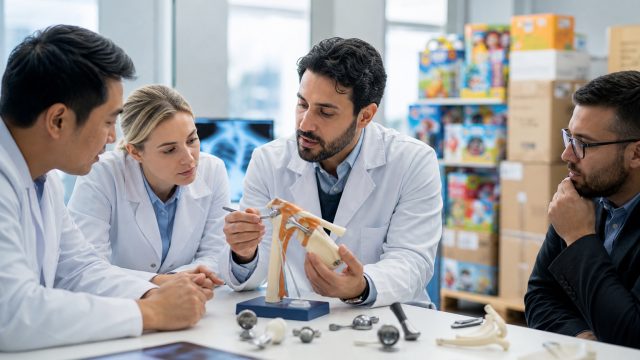
In a significant step towards advancing orthopedic care, researchers at the University of Texas San Antonio have received a substantial boost for their groundbreaking work on shoulder repair. With a generous $2.9 million grant from the National Institutes of Health (NIH), the team aims to tackle the often debilitating issue of irreversible muscle degeneration that typically follows rotator cuff tears. This innovative approach is not just crucial for current medical practices but is also timely, as the demand for effective solutions for shoulder injuries continues to grow.
Understanding the Impact of Rotator Cuff Tears
Rotator cuff tears are a common injury affecting countless individuals, particularly among those engaging in sports or heavy physical labor. These tears can lead to long-lasting pain and mobility issues, significantly affecting quality of life. Following such an injury, the body's natural healing process can result in muscle degeneration, presenting challenges in recovery and rehabilitation.
The Need for Advanced Treatments
- Current treatment options often fall short, leaving patients with persistent pain.
- Many individuals face surgical risks and lengthy recovery times with traditional methods.
- Muscle degeneration can affect overall shoulder function, leading to chronic conditions.
This scenario underlines the necessity for innovative solutions that not only repair the immediate injury but also foster long-term muscle health. The research team led by Dr. Hugo Giambini and Dr. Maria Gonzalez Porras is pioneering a nanoparticle-based therapy that aims to address these challenges directly.
What Is Nanoparticle-Based Therapy?
This novel approach involves the use of engineered nanoparticles designed to deliver targeted therapies directly to the affected muscle tissues. By focusing on muscle regeneration at a cellular level, the therapy has the potential to:
- Enhance healing processes post-injury.
- Reduce inflammation and promote tissue repair.
- Minimize the risk of further degeneration during recovery.
Such targeted therapies represent a shift away from traditional, generalized approaches, offering a more personalized pathway to recovery for patients suffering from rotator cuff injuries.
How This Therapy Could Change Lives
The implications of successful treatment development extend far beyond individual cases. If proven effective, this therapy could revolutionize orthopedic care, providing:
- A decrease in the overall burden of shoulder injuries in the population.
- Improved recovery outcomes, leading to faster return to daily activities and sports.
- Reduced healthcare costs associated with prolonged rehabilitation and surgical interventions.
This research comes at a pivotal time, especially considering the increasing incidence of shoulder injuries among athletes and working professionals. With the parameter of the ASEAN Para Games 2023 highlighting the importance of sports accessibility, effective treatments like this could empower athletes with disabilities to pursue their passion without the fear of long-term injury repercussions.
Future Prospects and Community Impact
As the research progresses, it is crucial for stakeholders in the healthcare industry, including medical practitioners, investors, and policymakers, to stay informed about the developments of this nanoparticle-based therapy. Community engagement and support will play a vital role in the research's success, influencing future funding and resource allocation.
Conclusion: A Step Towards Hope
The $2.9 million NIH grant not only signifies a vote of confidence in the innovative work being conducted at the University of Texas San Antonio but also highlights a growing recognition of the need for advanced treatment options in orthopedic care. This research has the potential to transform lives by addressing the underlying issues of muscle degeneration and improving recovery rates for shoulder injuries.
As we look to the future, it is imperative that we continue to invest in and support such groundbreaking projects that promise to enhance the quality of life for millions, making effective and efficient medical solutions a reality. By fostering innovation in therapies like this, we are paving the way for a healthier, more active society.
 How Almerao.com is Revolutioni
The Future of Toy Exports: Ins
Unleashing the Magic: Exportin
Top Trends in B2B Toy Exports:
How Almerao.com is Revolutioni
The Future of Toy Exports: Ins
Unleashing the Magic: Exportin
Top Trends in B2B Toy Exports:
WHY CHOOSE US
The company checks the product quality from the source, and the production process of beauty products can be inspected before leaving the factory The company has a sound after-sales service system, 24-hour online customer service at any time to respond, so that you worry about after-sales!