
Welcome To Our Website
Impacts of AI on Our Planet: An Urgent Look | slot terpopuler, gonalo ramos fifa 22
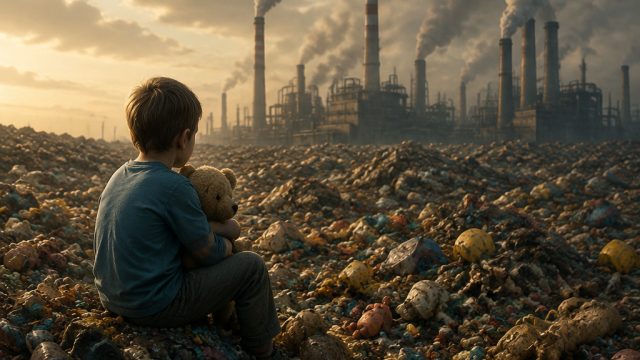
As artificial intelligence continues to evolve and reshape various industries, its environmental implications are becoming increasingly critical. Recent discussions have turned a spotlight on how AI technologies impact our planet, highlighting the urgent need for sustainable practices in this rapidly growing field. In this article, we explore the multifaceted effects of AI on the environment, the current trends shaping its development, and why addressing these issues is more pressing now than ever.
The Dual Nature of AI Technology
Artificial intelligence holds the promise of transforming operations in countless sectors, from manufacturing to healthcare, but it also raises concerns about its ecological footprint. While AI can optimize processes and drive efficiency, leading to reduced waste, the energy consumption associated with computing power presents significant challenges.
Energy Consumption and Carbon Footprint
The training and operation of AI models require substantial computational resources, which translates to high energy usage. Data centers, the backbone of AI applications, consume enormous amounts of electricity, contributing to greenhouse gas emissions.
- AI training processes often involve powerful GPUs that operate continuously.
- The energy sources powering these data centers frequently rely on fossil fuels.
- Large-scale AI projects can leave a considerable carbon footprint.
As companies invest in AI technologies, their energy consumption needs to be carefully managed to mitigate environmental impacts. Transitioning to renewable energy sources can be a part of the solution, but the scale of energy required is still a concern.
Operational Efficiency vs. Environmental Costs
Many businesses are leveraging AI to enhance operational efficiency, which can lead to lower resource consumption over time. For instance, AI-driven predictive maintenance in manufacturing can reduce waste, extend equipment lifespan, and lower energy use.
AI in Resource Management
AI technologies are also being applied in various environmental management solutions. Here are some significant applications:
- Smart Agriculture: AI optimizes irrigation and reduces pesticide use, leading to more sustainable agricultural practices.
- Energy Management: AI systems in smart grids enhance energy distribution and reduce energy waste.
- Waste Management: AI helps in sorting recyclables and minimizing landfill waste.
While these applications demonstrate the potential for AI to contribute positively to sustainability, the challenge lies in balancing technological advancement with ecological responsibility.
Current Trends in AI Development
The AI landscape is changing rapidly, with new trends emerging that could influence its environmental footprint. Companies are now prioritizing sustainability in AI development, which could lead to greener solutions in the future.
Green AI Initiatives
Several initiatives are underway to promote environmentally friendly AI practices:
- Developing Energy-Efficient Algorithms: Researchers are focusing on creating algorithms that require less computational power.
- Promoting Transparency: AI developers are encouraged to disclose energy consumption metrics.
- Collaboration with Environmental Groups: Partnerships between tech companies and environmental organizations are forming to address sustainability issues.
By embracing these trends, the industry can work towards mitigating the negative environmental impacts of AI while maximizing its benefits.
Conclusion: The Path Ahead
The intersection of AI technology and environmental concerns is complex and evolving. As we continue to harness the power of AI, it is imperative that we remain vigilant about its ecological implications. With the push for sustainability gaining momentum, stakeholders—including businesses, government bodies, and consumers—must collaborate to create an AI landscape that prioritizes the planet's health. Addressing the environmental impact of AI is not just a technological challenge; it is a pressing social responsibility that we must take seriously today.
Ultimately, the choices made in AI development will resonate far into the future. By prioritizing eco-friendly practices and innovative solutions, we can ensure that the benefits of AI contribute to a healthier planet and a sustainable tomorrow.
 How Almerao.com is Revolutioni
The Future of Toy Exports: Ins
Unleashing the Magic: Exportin
Top Trends in B2B Toy Exports:
How Almerao.com is Revolutioni
The Future of Toy Exports: Ins
Unleashing the Magic: Exportin
Top Trends in B2B Toy Exports:
WHY CHOOSE US
The company checks the product quality from the source, and the production process of beauty products can be inspected before leaving the factory The company has a sound after-sales service system, 24-hour online customer service at any time to respond, so that you worry about after-sales!