
Welcome To Our Website
Senate Takes Bold Step to Reassess Military Engagement in Iran | slot terlengkap dan terpercaya, keluaran shio hongkong malam ini
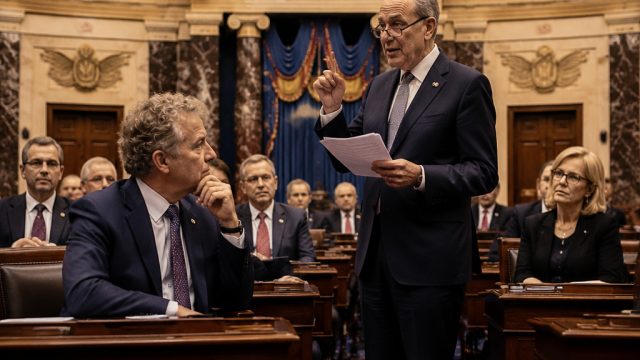
In a significant political move, the U.S. Senate has voted to end military hostilities in Iran, marking a pivotal moment in the nation’s approach to foreign affairs. This resolution directly challenges the previous administration's military policies, signaling a shift toward more restrained governance regarding military interventions abroad. The decision comes at a time when public opinion increasingly favors diplomatic solutions over military action.
The Context of the Senate's Resolution
The recent Senate vote is emblematic of a larger trend in American politics where lawmakers are scrutinizing the scope and nature of U.S. military engagements. Over the past few years, the American public has grown weary of prolonged military conflicts, with many advocating for a reassessment of priorities in foreign policy.
Public Sentiment and Military Fatigue
- Increased calls for diplomatic resolutions
- Growing skepticism regarding effectiveness of military intervention
- Desire for improved relations in the Middle East
This legislative action is not just a minor procedural move; it represents a broader public perception that military engagement does not yield the desired outcomes. Many citizens are voicing their support for alternative strategies that focus on diplomacy and negotiation rather than military might.
Key Points of the Resolution
Breaking down the resolution, several core components exemplify its intention to signal a definitive end to military operations in Iran:
- Withdrawal of Forces: The resolution mandates the reassessment and potential withdrawal of U.S. troops from active military engagements in Iran.
- Reduction of Military Spending: A push to divert military funds toward domestic initiatives that promote economic and social welfare.
- Enhanced Diplomatic Efforts: A commitment to exploring diplomatic solutions, emphasizing communication and compromise.
These measures reflect a growing consensus in Congress that military power should be balanced with diplomatic channels to foster peace and stability globally.
Political Implications and Future Outlook
The implications of this vote extend beyond Iraq, impacting U.S. relations with other nations and shaping future foreign policy decisions. Observers note that the Senate’s resolution could serve as a catalyst for more comprehensive reforms in military engagement, compelling lawmakers to take a closer look at how and when force is applied in international conflicts.
Responses from Lawmakers
Reactions to the resolution have been varied, reflecting political divisions within Congress. Supporters argue that this is a necessary step toward accountability and a more restrained foreign policy, while critics contend it may embolden adversaries by signaling weakness.
Among the supporters, many highlight that:
- This resolution represents a critical check on executive power regarding military engagements.
- It encourages a debate on the proper role of the military in international affairs.
- It reflects a broader shift in American values toward prioritizing diplomacy over conflict.
Conclusion: A New Era of Engagement
The Senate's recent resolution directing the end of military actions in Iran marks an important chapter in U.S. political history. As discussions surrounding military engagement evolve, the focus will likely shift toward fostering stable international relationships through diplomatic means. While the road ahead may be fraught with challenges, the Senate's vote signifies a collective desire for a foreign policy that emphasizes peace and negotiation over conflict. Moving forward, it will be essential for lawmakers and citizens alike to engage in this critical dialogue about America's role on the global stage.
 How Almerao.com is Revolutioni
The Future of Toy Exports: Ins
Unleashing the Magic: Exportin
Top Trends in B2B Toy Exports:
How Almerao.com is Revolutioni
The Future of Toy Exports: Ins
Unleashing the Magic: Exportin
Top Trends in B2B Toy Exports:
WHY CHOOSE US
The company checks the product quality from the source, and the production process of beauty products can be inspected before leaving the factory The company has a sound after-sales service system, 24-hour online customer service at any time to respond, so that you worry about after-sales!